





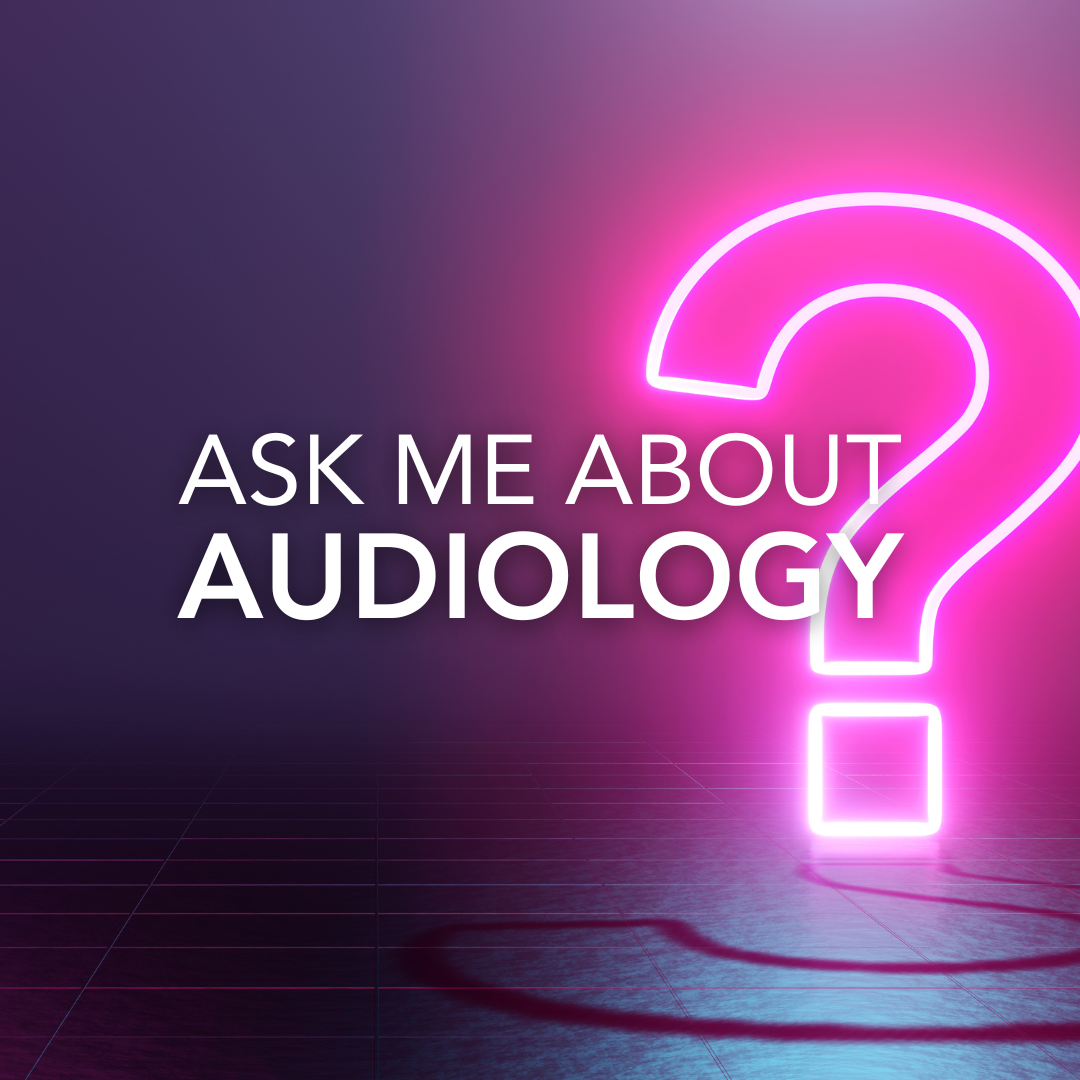


Join the “Ask Me About Audiology” Campaign
If you’re an audiology student looking to make a meaningful contribution in your community while gaining hands-on experience,…
Stay Connected!
Explore the latest updates, stories, and highlights from the SAA community — all in one place. Engage with our social media content directly from the website and stay in the loop with what’s happening across SAA.
Click on an Instagram post below to view, interact, or share with others.
Register for the upcoming Academy webinar available exclusively on AudiologyOnline, Positioning for Success in Clinical Precepting. This webinar equips audiology clinical preceptors with practical strategies for teaching, supervising, providing feedback, and supporting AuD students, grounded in the science of teaching and learning as it relates to clinical precepting.
This live webinar will be held October 28 at 12 pm ET. Earn 0.1 CEUs.
Register on audiologyonline.com

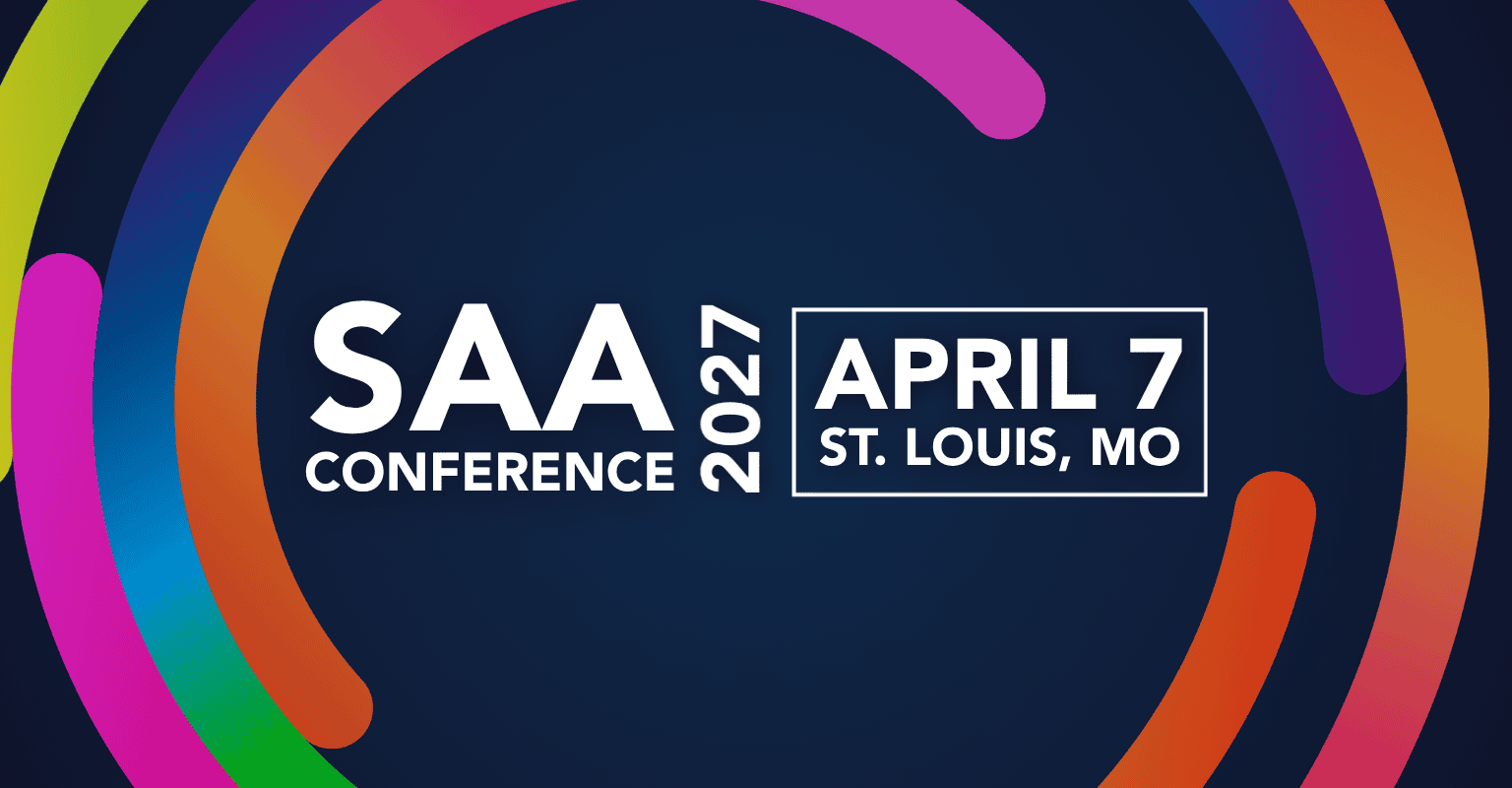
Poster submissions for AAA 2027 are still open. Submissions for Learning Modules, Spotlight Sessions, Research Podiums and the Student Research Forum are now closed. Poster Submissions are still be accepted through November 5. #AAA2027
The Student Academy of Audiology is proud to support Educational Audiology Awareness Week—October 19–23, 2026.
Educational Audiology Awareness Week, designated by the Educational Audiology Association, seeks to promote advocacy for the educational audiology profession. Educational audiologists deliver a full spectrum of hearing services to all children, particularly those in educational settings. Use our resources to help spread educational audiology awareness. #EdAudWeek
Access now on audiology.org


Undergraduate Programs
Thinking about pursuing an audiology program? Find undergraduate resources here to help make your journey easier.

Audiology Doctoral Programs
About to choose between an AuD or PhD degree for your audiology program? Don’t walk this journey alone - find resources here that can help guide you.
Get Involved
Advocate on behalf of the profession, educate your peers, and participate in national campaigns to get the word out about hearing health.

Volunteer
The SAA has many volunteer opportunities from committee positions to a state ambassador program.

Advocate
Ensure your voice is heard and join your peers, and the Academy, on Capitol Hill.

Participate
Get involved in national campaigns to educate the public about hearing and balance care.

Become a Chapter
Instate a chapter at your university—become eligible for chapter funding opportunities.
Academy Enterprise
The Student Academy of Audiology works with the following groups who work to support the overall Academy in the areas of accreditation, philanthropy, voluntary certification, advocacy, and support and education of audiology students